
Solo train travel in Europe is one of the few forms of independent travel where being alone is an advantage rather than something to manage. You choose every departure without negotiation, you can change plans at a platform, and the hours between cities are yours instead of being dead time in an airport.
This guide to solo train travel in Europe covers the practical side: which seats to book when nobody is holding your bag, how night trains work alone, where travelling solo genuinely costs more, and what your rights are if a journey collapses with nobody to help you sort it out. It assumes competence rather than nervousness, while taking the real concerns seriously.
Last reviewed and updated: October 8, 2026. How this guide was researched: this solo train travel in Europe guide is desk research, not a trip report. Passenger rights are quoted from the European Commission’s own guidance, cited at the end. We deliberately make no specific claims about emergency number coverage, because the official page we checked did not describe the service. We quote no fares.
Free download: Eco Rail-First Trip Planner
A fast, practical checklist + templates for planning low-impact trips (without decision fatigue).
Why solo train travel in Europe works better than flying
The advantage of solo train travel in Europe is structural rather than sentimental.
Almost everything difficult about arriving somewhere new happens in public and in daylight when you travel by rail. Stations are staffed, central and busy. There is no 2am transfer from an airport on the edge of a city, which is where most solo travel anxiety actually lives.
The journey itself is also usable. You can read, work, sleep or watch the window without the choreography of a flight, and you can get up and walk around. For a solo traveller, hours of uninterrupted time with a view is a genuine pleasure rather than something to endure.
Finally, trains are forgiving of changed minds. Missing a train is rarely a catastrophe, and taking a later one usually costs nothing on a flexible ticket. Nobody else has to agree to the change.
Choosing seats when you are travelling alone
Seat choice is the first real decision in solo train travel in Europe, and it matters more than in a pair, because you have nobody to watch your things while you fetch coffee.
| Option | Why it works alone | Watch out for |
|---|---|---|
| Window seat, solo pair | Only one neighbour, and your bag stays in view | Harder to get out without disturbing someone |
| Table seat | Space to work or eat properly | You share with three strangers for hours |
| Airline-style seat | Private, no eye contact required | Less room for a laptop and a meal |
| Near the luggage rack | You can see your large bag from your seat | More foot traffic and door noise |
| Quiet carriage | Predictable, calm, fewer interruptions | Phone calls are not permitted |
| Upper deck, where offered | Better views, usually calmer | Awkward with a heavy bag and stairs |
The practical sweet spot for most solo travellers is a window seat within sight of the luggage rack, in a normal rather than quiet carriage. You keep your bag in view, you are not trapped at a table, and you can take a call.
Where reservations are compulsory, book early enough to choose rather than be allocated. Our guide to seat reservations on European trains covers which services require them.
Night trains alone
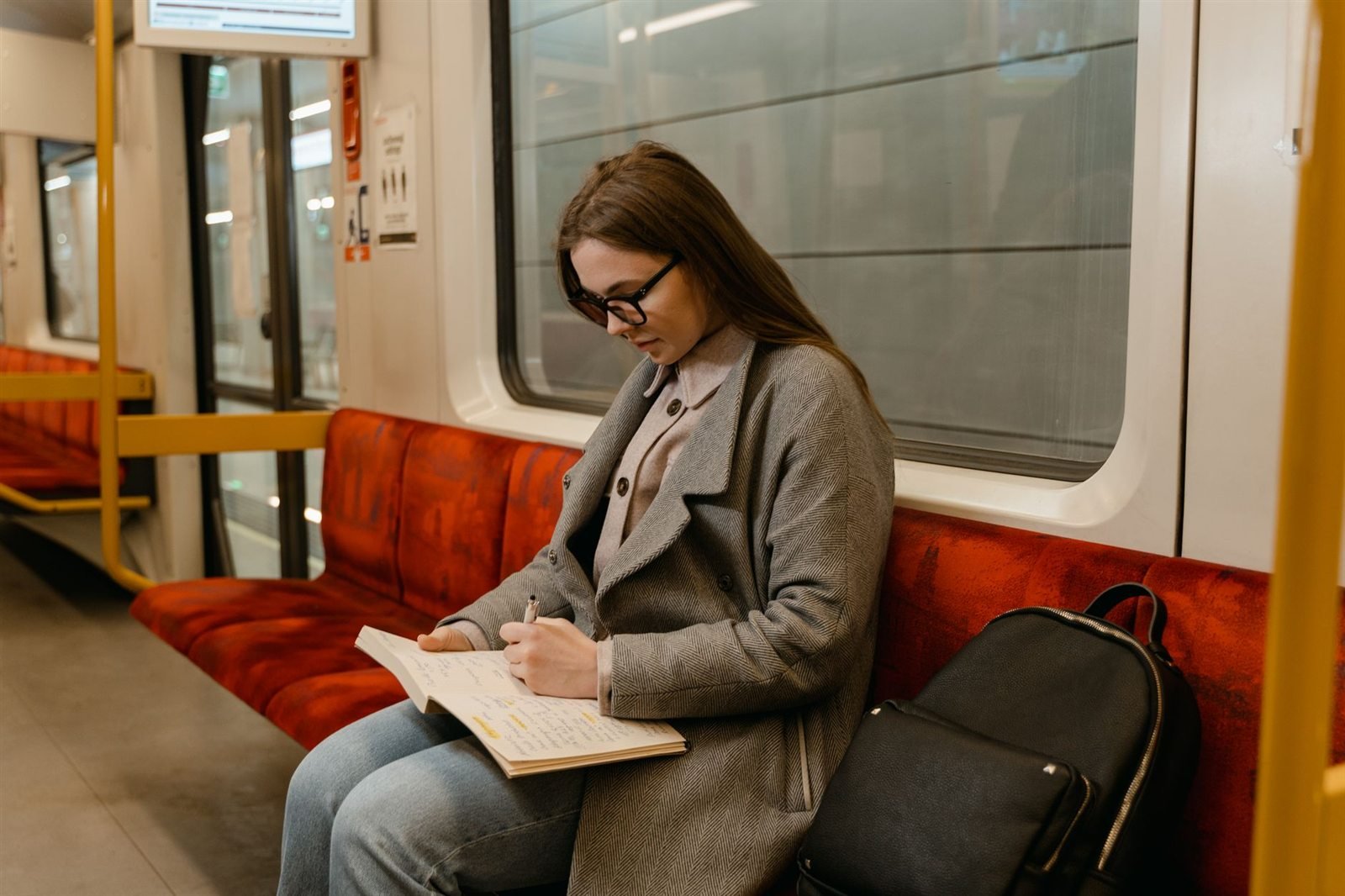
Night trains are where solo train travel in Europe raises the most questions, and the answer is mostly about what you book rather than whether to go.
The options run from a reclining seat, through a shared couchette of four or six berths, to a two-berth or single sleeper compartment. Travelling alone, the shared couchette is the one that divides opinion: you will be sleeping in a small space with strangers of mixed gender unless the operator offers single-sex allocation, which many do on request.
Three things make a solo night journey comfortable:
- Book a berth rather than a seat. A reclining seat is survivable once and miserable twice.
- Ask about single-sex compartments if that matters to you. Many operators offer it, but usually only if you select it at booking.
- Keep valuables physically on you while asleep, in a small bag that goes inside the bedding rather than on a rack.
A private single compartment removes all of this and costs accordingly. For a first night train alone, many people find it worth the premium simply for the sleep. See best night trains in Europe for routes and compartment types.
Luggage when nobody is watching your bag
This is the genuinely different part of travelling alone, and it shapes what you should pack.
Carry less than you think you need. One bag you can lift onto a rack unaided and carry up stairs is worth more than any amount of packing cleverness, because lifts fail and nobody is holding the other handle. If you cannot carry it up a flight of stairs in one go, it is too big.
Then split your valuables. Passport, cards, phone and a backup card belong on your person in a small bag that never leaves you, including on a walk to the buffet car. The large bag should contain nothing that would ruin the trip if it went missing.
Station left luggage is the solo traveller’s best friend on a day with a late train. Most major European stations have lockers or staffed facilities, which turn an awkward afternoon dragging a bag into a free day. See luggage storage at European train stations, and check European train luggage rules before you pack something large.
Safety without paranoia
Solo train travel in Europe is, by the standards of independent travel, a very safe way to move around. The sensible posture is ordinary alertness rather than vigilance.
- Theft is the realistic risk, not personal danger, and it concentrates at stations and during boarding when everyone is distracted.
- Keep bags closed and in contact while standing on a platform or waiting in a concourse.
- Be wary of staged distractions: a spilled drink, a dropped item, a sudden question. The pattern is one person engaging you while another works.
- Trust the carriage. If you feel uncomfortable, move. Nobody will notice or mind, and carriages are rarely full.
- Know where staff are. Conductors, station staff and transport police exist precisely for this, and on-board staff would much rather be told early.
- Share your route with someone at home, including the train number rather than just the city.
Arrival is worth a separate thought. Landing in an unfamiliar city after dark alone is the moment most people feel exposed, so book arrivals in daylight where you can, and have your route from the station to your accommodation worked out before you board rather than on the platform.
Your rights if a journey falls apart
These matter more alone, because there is nobody to queue at the desk while you watch the bags.
Under EU rail passenger rights, if you are told at departure that your train will arrive at your final destination 60 minutes or more late, you are entitled to 25 percent of the ticket price for a delay of one to two hours and 50 percent for two hours or more. For a cancellation that would leave you more than 60 minutes late, you may take a refund, re-route at the earliest opportunity at no additional cost, or travel later.
Assistance matters even more than money when you are alone. With a delay at departure or arrival of 60 minutes or more, you are entitled to meals and refreshments proportionate to the waiting time, and where an overnight stay becomes necessary, to a hotel or other accommodation where and when physically possible, plus transport between the station and the hotel.
One important nuance: compensation is not due where the operator proves the cause was something it could not prevent, such as extreme weather. Refund, re-routing and assistance rights survive that exemption. So even in a storm, getting you onward or into a bed remains the operator’s problem rather than yours.
Ask early rather than late. When a train is cancelled, the first people to reach staff get the best re-routing, and alone you have nobody to send ahead. See building a backup plan for the wider approach.
Eating alone, which trains make easy
Solo dining defeats a lot of people, and rail quietly solves it.
Eating on a train is entirely normal and nobody looks twice. A dining car, where one exists, is one of the few restaurants in Europe where a single diner is unremarkable, and shared tables make conversation optional rather than awkward.
Practically, carry a fallback. Catering is the first thing to fail on a disrupted service, and a long delay with nothing to eat is a bad evening. Something durable in the bag plus a refillable bottle covers it.
At the destination, lunch is the easiest solo meal to start with, and a counter or bar seat is easier than a table. Market halls are the best solo eating in Europe: you order at a stall, eat where you like, and nobody is managing a reservation for one.
Meeting people without organising anything
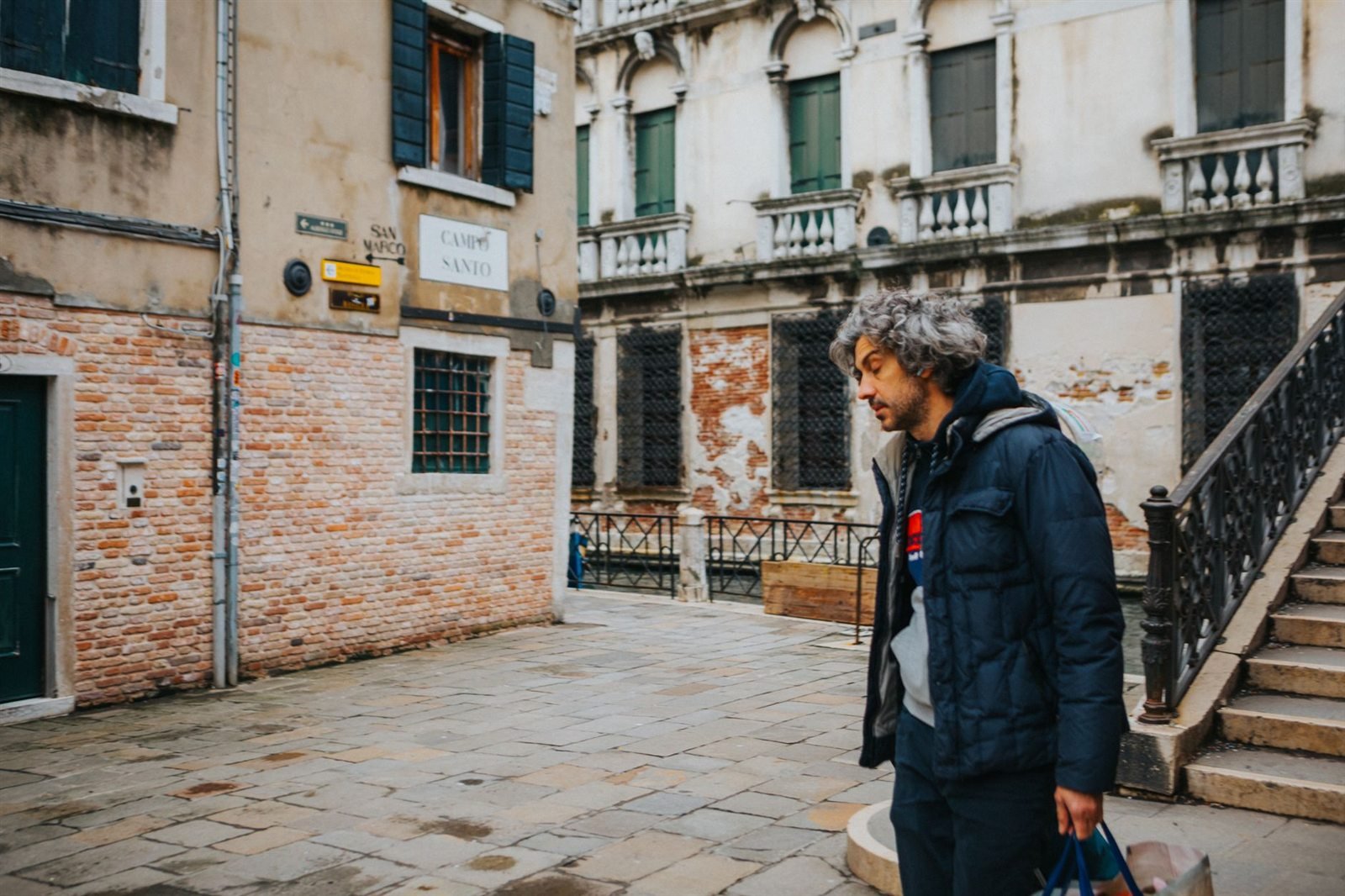
Solo does not have to mean alone the whole time, and rail offers low-effort company.
Shared tables, couchettes and dining cars all produce conversation without anyone having to arrange it, and the natural end point of a station means nobody is committed beyond the journey. That combination is unusually comfortable.
If you want more, the structures are easy to find: walking tours in most cities, hostels with common areas even if you book a private room, and cooking or language classes that run short sessions. None requires you to be outgoing, only present.
Equally, there is no obligation. A fortnight of your own company on trains, reading and looking out of windows, is a legitimate holiday rather than a failure to socialise.
Where solo travel genuinely costs more
Being honest about the cost of solo train travel in Europe makes the budget work rather than disappoint.
- Accommodation is the big one, because a room costs nearly the same for one as for two.
- Sleeper compartments carry a real premium for single occupancy.
- Taxis and transfers have nobody to split with.
- Some tours and excursions price per booking rather than per person.
- Food waste rises, since portions and supermarket packs assume two.
Rail offsets part of this, because ticket prices are per person anyway and passes often reward the flexible, meandering itinerary that solo travellers naturally build. Weigh it properly with best rail passes for Europe and rail pass versus point-to-point tickets.
Building a solo-friendly itinerary
An itinerary built for solo train travel in Europe is slower than the one you would plan for two.
- Fewer cities, longer stays. Moving is the tiring part, and alone there is nobody to share the logistics.
- Arrive in daylight wherever possible, especially in a city you do not know.
- Book the first two nights before you leave, then improvise once you have found your feet.
- Put the hardest journey early, while enthusiasm is high and you are rested.
- Build in nothing days with no train and no plan. Solo travel is more tiring than it looks.
- Choose accommodation near the station for one-night stops, which removes a tired cross-city trip.
If this is your first independent rail trip, start with how to travel Europe by train for the mechanics, then come back for the solo-specific decisions.
Working from the train, which solo travellers do most
A large share of people doing extended solo rail trips are working along the way, and trains are a better office than most cafés.
The practical constraints are power and connectivity. Sockets are common but not universal, particularly in older stock and in second class on regional services, so a power bank is not optional on a working day. Mobile data is generally good along main lines and poor in tunnels and deep valleys, which means anything requiring a stable connection should be scheduled around the route rather than assumed.
Three habits make it work:
- Download before you board. Treat the journey as offline time and sync at the station rather than mid-valley.
- Book a table seat for real work, and an airline-style seat for reading or calls. The difference is larger than it sounds over four hours.
- Put calls in the station, not the carriage. Quiet carriages prohibit them, and ordinary ones make them awkward.
One genuine advantage over a café: nobody asks you to free the table, and there is no pressure to keep buying coffee. A long leg is several hours of uninterrupted focus with changing scenery, which many people find more productive than a desk. Our guide to working remotely from trains covers the setup in detail.
Language, tickets and the small frictions
Travelling alone removes the person who was going to handle the awkward conversation, so it is worth knowing where those actually occur.
In practice, very few. Ticket machines in major European stations offer English, staff at international counters generally speak it, and apps have removed most counter interactions entirely. The frictions that remain tend to be at small rural stations, on replacement bus services, and during disruption when announcements switch to the local language only.
Two mitigations cover most of it. Screenshot your ticket, train number and platform, so you can show rather than explain. And learn four phrases in each country rather than a vocabulary: hello, thank you, excuse me, and do you speak English. The effort is noticed, and it changes how people respond.
For validation rules, which vary and catch travellers out, see European train booking mistakes. Some countries still require a paper ticket to be validated before boarding, and a fine for an unvalidated ticket is an unpleasant way to learn that alone.
Accommodation choices that suit a solo rail trip
Where you sleep interacts with how you travel, and a few choices make solo rail noticeably easier.
Stay near the station for one-night stops. After a long travel day, a cross-city journey with luggage is the part that makes people tired of travelling. For a longer stay, move to a better neighbourhood instead.
Consider hostels with private rooms. You get a door that locks and a common area if you want company, which is a combination hotels do not offer. Many now have good private singles aimed at exactly this traveller.
Check reception hours. Delayed trains and self-check-in do not always coexist, and arriving at midnight to a locked door after an unplanned delay is a genuinely bad evening. Message ahead if a train is running late.
Book the first two nights only. Beyond that, keeping it flexible means you can stay longer somewhere you like or leave somewhere you do not, which is the whole advantage of travelling alone.
The harder days, and what to do about them
It would be dishonest to write a solo travel guide without this section.
Most people travelling alone for more than a week or so have a flat day: tired, slightly lonely, wondering what the point is. It is completely normal and it usually passes within a day. It also tends to arrive after a long travel day, in bad weather, in a place you have not warmed to.
The reliable remedies are unremarkable. Eat properly, sleep, and stop moving for a day. Call someone at home. Go to a café and do nothing. Lower the ambition of the day to one small thing rather than abandoning the trip.
And allow yourself to change the plan. One of the real advantages of solo train travel in Europe is that the plan belongs to you alone, so skipping a city you were lukewarm about costs nothing but a ticket.
A solo train travel in Europe checklist
- One bag you can carry up stairs unaided.
- Valuables in a small bag that never leaves your person.
- Arrivals booked in daylight where possible.
- Route from station to accommodation worked out before boarding.
- Train numbers shared with someone at home.
- Offline tickets, maps and a charged power bank.
- A berth rather than a seat on any night train.
- Food and water aboard for delays.
- First two nights booked, the rest flexible.
Frequently asked questions
Is it safe to travel alone by train in Europe?
By the standards of independent travel, yes. The realistic risk is opportunistic theft rather than personal danger, and it concentrates at stations and during boarding. Keep bags closed and in contact in public areas, be alert to staged distractions, and move carriage if you feel uncomfortable.
Should I book a couchette or a private compartment travelling alone?
Book a berth rather than a reclining seat either way. A shared couchette is cheaper and perfectly workable, and many operators offer single-sex allocation if you select it at booking. A private single compartment removes the question entirely and is often worth the premium for a first night train alone.
What happens if my train is cancelled and I am travelling alone?
Your rights are the same as anyone’s, and they matter more when nobody can queue for you. For a cancellation leaving you more than 60 minutes late you may take a refund, re-route at no additional cost, or travel later, and a delay of 60 minutes or more entitles you to meals and, if an overnight stay is needed, accommodation. Ask staff early, because the first passengers get the best alternatives.
How do I keep my luggage safe when there is nobody to watch it?
Carry one bag you can manage alone and keep it within sight of your seat, ideally near the luggage rack. Keep passport, cards and phone in a small bag that stays on you at all times, including walks to the buffet car. Use station left luggage rather than dragging a bag around a city on a late-train day.
Is solo travel more expensive?
In parts, yes. Accommodation is the main one, since a room costs nearly the same for one as for two, and sleeper compartments carry a single-occupancy premium. Rail itself is priced per person, so the train portion of a solo trip costs the same as it would for anyone.
How do I meet people without joining an organised tour?
Rail does most of the work. Shared tables, couchettes and dining cars produce conversation without anyone arranging it, and the journey provides a natural end point so nobody is committed beyond it. Walking tours and hostel common areas cover the rest without requiring you to be especially outgoing.
Sources and further reading
- European Commission, Your Europe: rail passenger rights on delays, cancellations and assistance
- Regulation (EU) 2021/782 on rail passengers’ rights and obligations
- UK Foreign, Commonwealth and Development Office travel advice by country
This guide is educational. Safety conditions, operator rules and passenger rights differ by country and change over time, so check current advice for your specific route before travelling.
Compare the trip details before you book
Affiliate disclosure: Eco Nomad Travel may earn a commission if you book through qualifying links, at no extra cost to you. Use the link only when it genuinely helps your trip research.
Before you lock in dates for Solo Train Travel in Europe: Seats, Night Trains and Safety, compare location, flexible cancellation, transfer timing, and total trip cost so the final plan fits your budget and pace.